Guide · 26 September 2026 · Updated 10 October 2026
Filter coffee, explained
What “filter roast” means, why washed coffees dominate, and how to read a bag.
By Meet Your Coffee editors
Contains links we may earn commission from. Commission never affects ranking.
“Filter” on a bag tells you the roaster has developed the coffee for brewing without pressure: pour-over, batch brewer, cafetière, AeroPress. These roasts are usually lighter, which preserves acidity and aromatics.
Washed, natural, honey
Processing describes how the fruit was removed from the seed. Washed coffees tend to be cleaner and brighter; naturals are fruitier and heavier; honey sits between. We record the base process separately from fermentation descriptors like “anaerobic”, because they describe different things.
Grind options
Many roasters offer a filter grind and a cafetière grind. They are not interchangeable. We list each as its own variant.
Start with a washed Ethiopian or Kenyan if you like brightness, or a Peruvian or Honduran if you prefer gentle sweetness.
In this story
The 4 coffees mentioned, with today’s price from the roaster. Unavailable coffees are left out automatically.
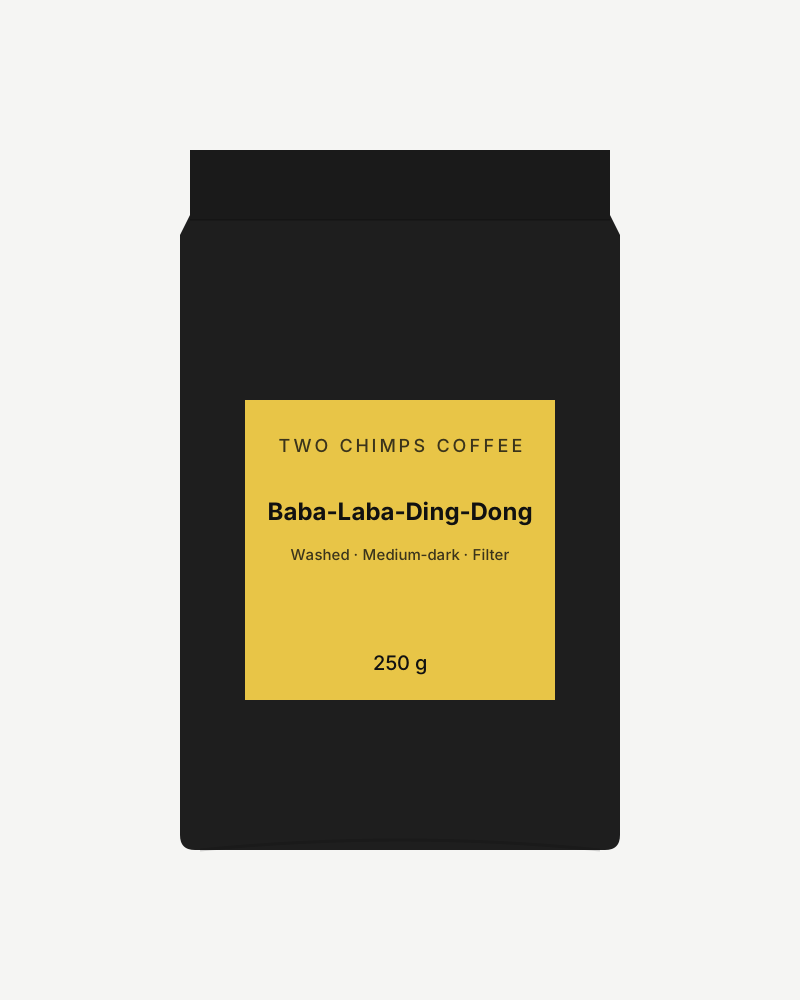
- £11.95 · 250 g
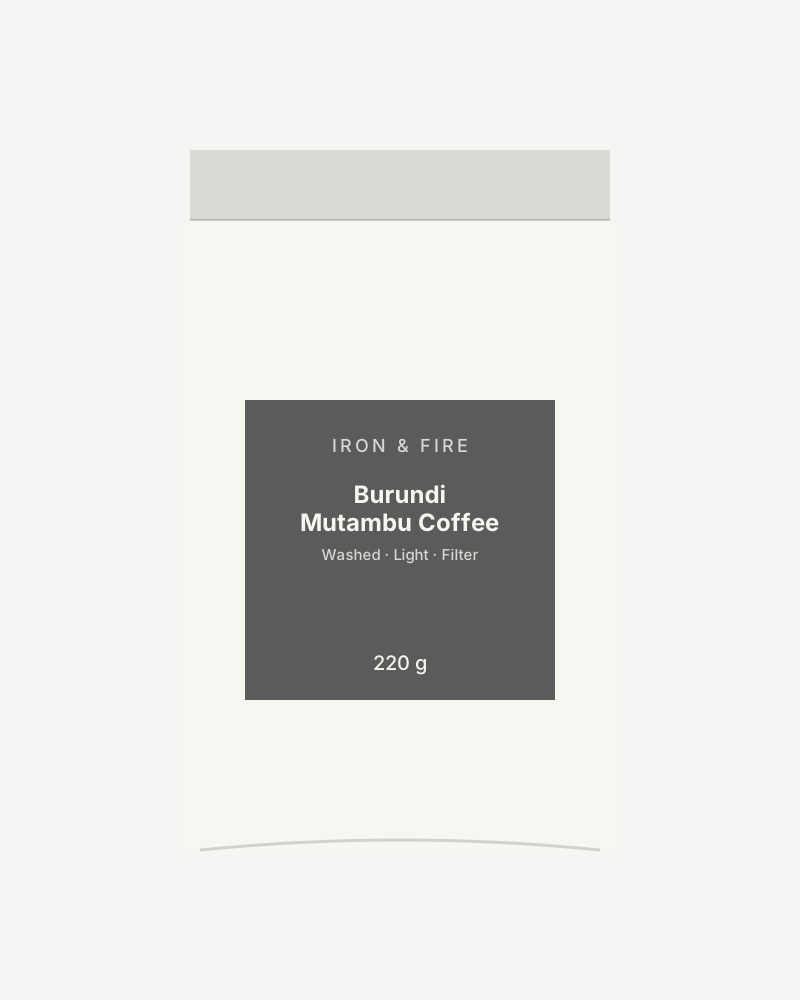
- £8.45 · 220 g
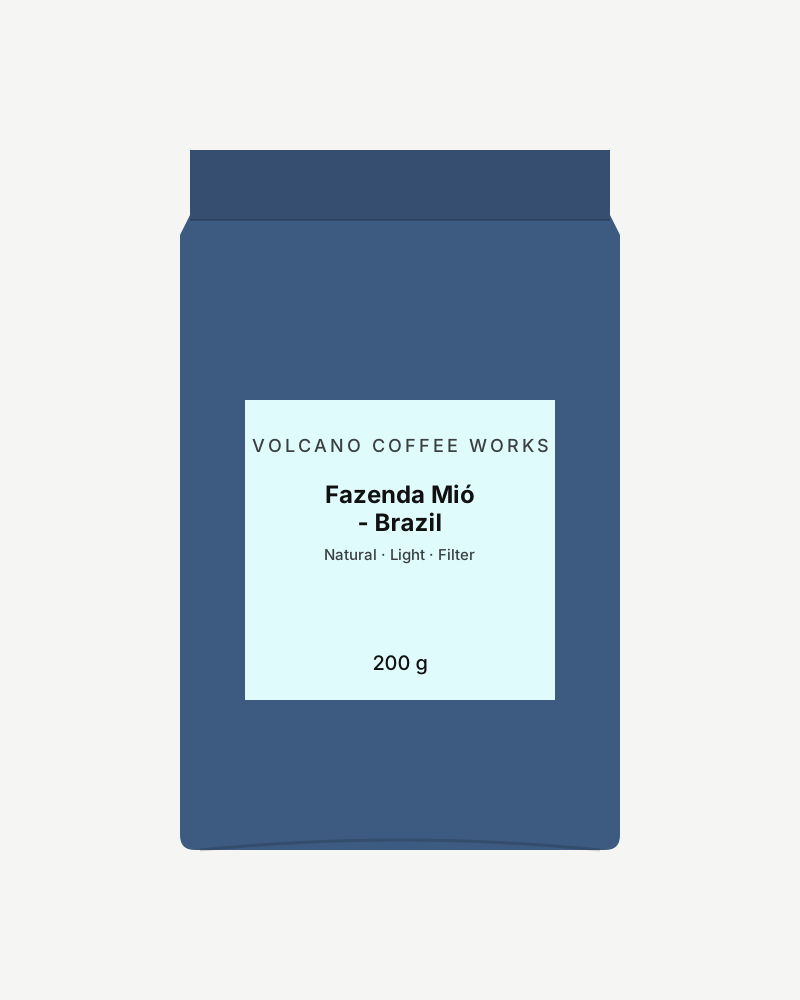
- £10.00 · 200 g
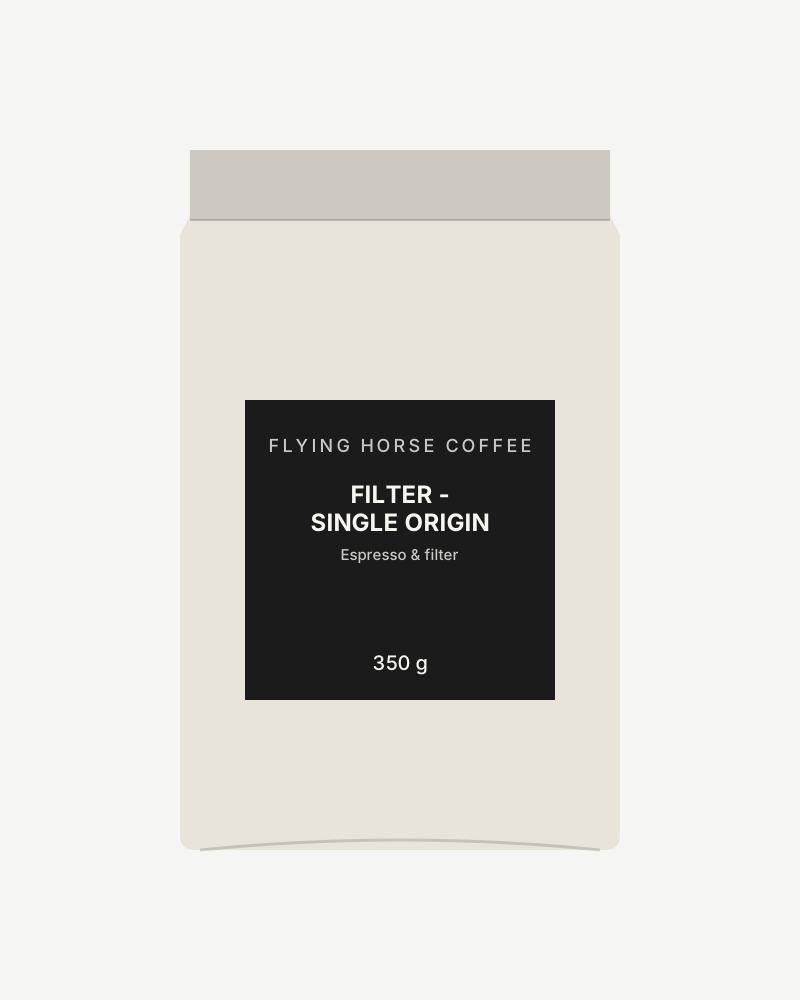
- £18.95 · 350 g